
A Month about Aging

Exploring the question: what does “aging well” mean? |
By Nissa Schlossberg |
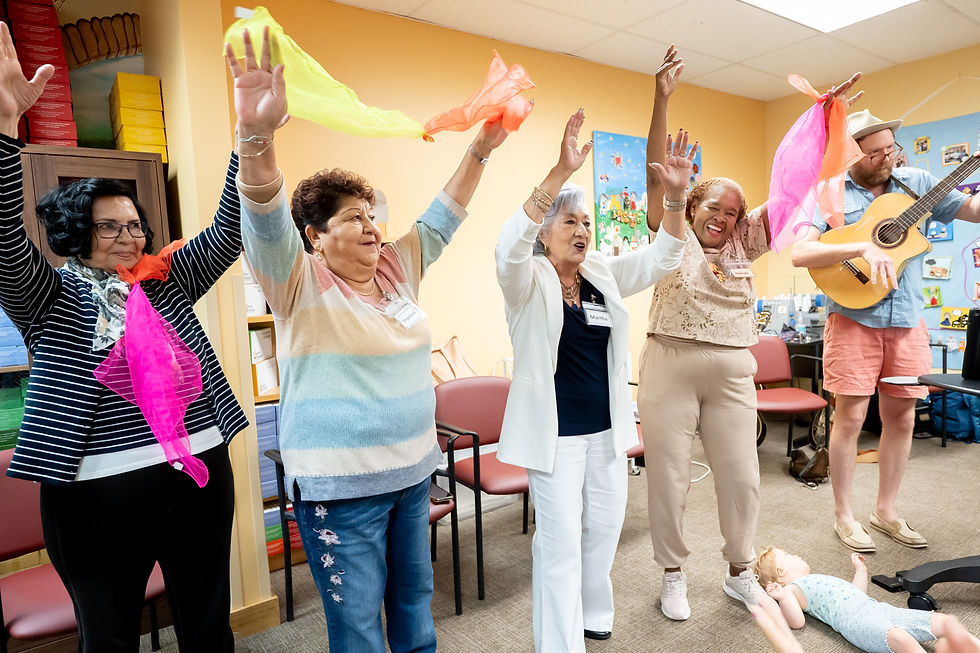 Our week at Kairos: This month was a busy one! We had the opportunity to attend the Friendship Village Conference in Bloomington a few weeks ago and had a day full of learning, connecting about the science of aging, and meeting other organizations with a shared vision for health and wellbeing. This conference was a great place to network, and we are feeling so grateful to have shared this space with so many curious, motivated people! We also hosted our May Kairos Clubhouse, during which we explored the many experiences our hands have; as the spring rolls in, we are feeling the sunshine on our hands, the wind through our fingers, and the freshly blooming flowers at our fingertips. We asked people, "What have your hands experienced?" I also had the opportunity to attend a workshop this month called “How are Black Trans Women Aging in Minnesota?” This workshop explored the structural exclusion ingrained in our healthcare system and the many intersectional identities that are targeted. This workshop, hosted by the MN Leadership Council on Aging, was a great opportunity to connect with others working in the arts+health, nonprofit, and aging fields. An article to read! Our month really centered around the topic of aging – how do we age well? Who ages well? Who does not? What does “aging well” mean? These questions reminded me of the reading that prompted my interest in medical anthropology. It was assigned to me in an Introduction to Anthropology course in college and solidified my understanding of anthropology. Embracing Age, by Anna Corwin, highlights how American Catholic nuns are models of aging well. In her book, Corwin posits that Catholic nuns experience successful aging because they “do not uphold the ideals of individual agency, productivity, independence, and permanent personhood” (48). Rather, they value acceptance and interdependence and embrace aging as a natural – and welcome – part of life. Herein lies Corwin’s thesis: that this cultural paradigm – which she coins "embracing aging" – sustains their health and well-being as they age. This book has many chapters, but I find that Chapter 2, "Being is Harder than Doing," is a good place to start. Our work at Kairos Alive! is situated within this framework of successful aging, and our programs aim to prompt acceptance and interdependence among our participants. Through community participation, we hope for everyone to embrace aging as a natural – and welcome – part of life! Corwin, Anna I. Embracing age: How Catholic nuns became models of aging well. Rutgers University Press, 2021. Date to look out for: July 11th – Community Gathering and Cookout, hosted by Deaf Equity 11 am-4 pm at Como Park  |
Comments